
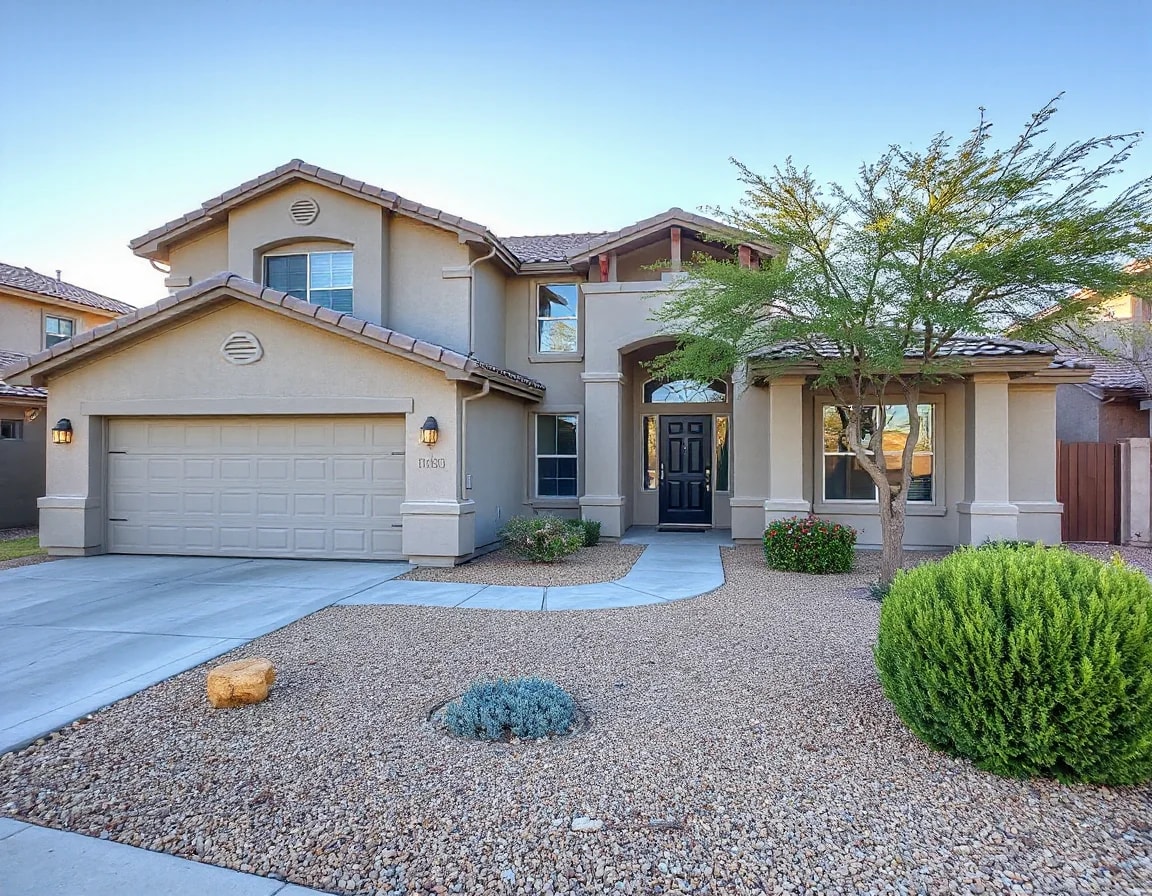
Selling a home involves more than putting a sign in the yard and waiting for an offer. The most expensive mistakes often happen before a listing goes live: an unrealistic price, incomplete preparation, weak presentation, or limited access for showings. A thoughtful plan can help sellers protect their time, respond confidently to market feedback, and move toward closing with fewer surprises.
A Strong Sale Starts Before the Listing Goes Live
Many home-selling missteps are understandable. Owners may rely on an online estimate, focus on the price paid years ago, or assume that a few listing photos will tell the full story. Yet buyers compare every available option quickly, especially when they can review photos, features, and price points from their phones. Preparing early gives a property its best chance to make a clear, credible first impression.
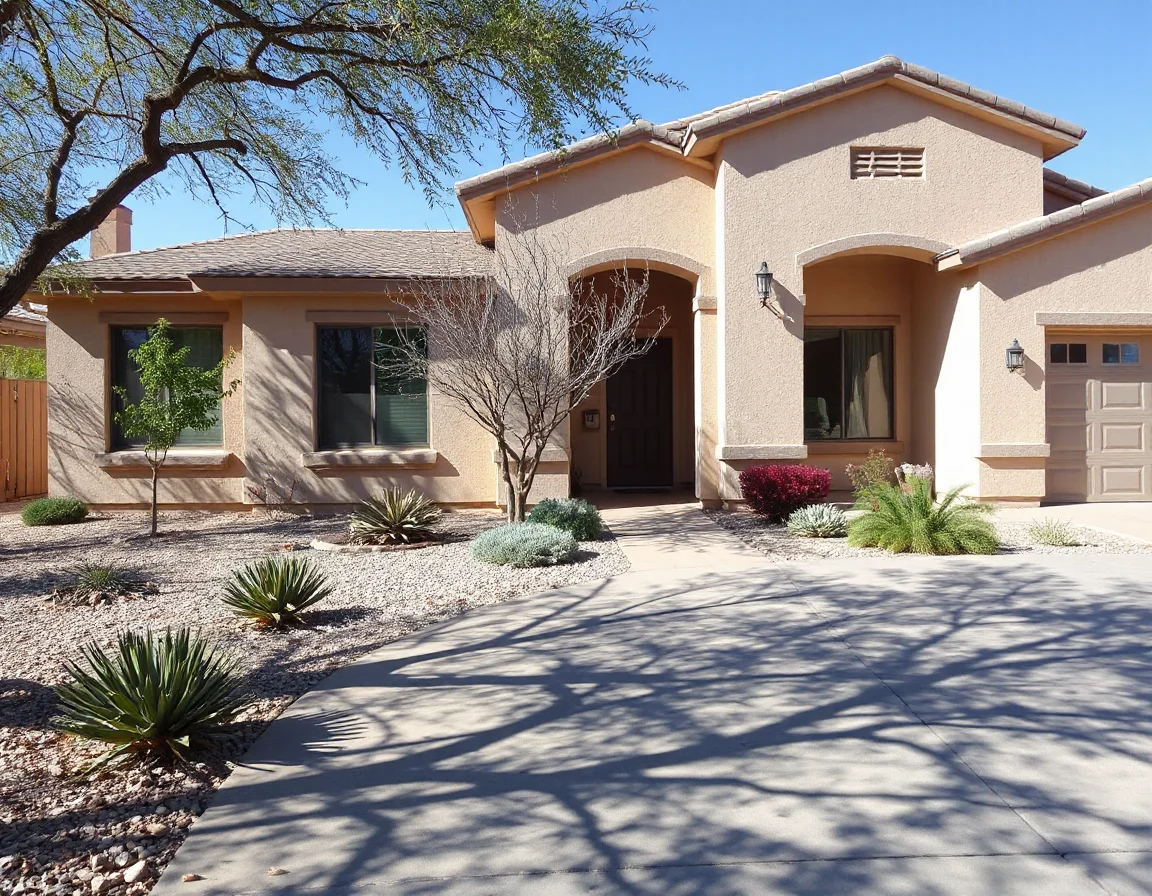
Mistake one: pricing from emotion rather than evidence. A home can hold years of memories, upgrades, and personal effort, but the market responds to current alternatives and recent closed sales. Listing too high can reduce early interest, delay serious showings, and make a later price adjustment more noticeable than it needed to be. Listing too low without a strategy can also leave a seller uncertain about whether the home’s value was fully considered.
A practical pricing conversation looks at recent comparable sales, active competition, pending properties when available, condition, lot placement, updates, and the features buyers are prioritizing right now. In Queen Creek and throughout the East Valley, even homes with similar square footage can perform differently based on layout, outdoor space, finishes, community fees, and proximity to daily amenities. The goal is not to chase a headline number; it is to position the home so buyers understand its value quickly.
The first days on market are a key attention window. A price and presentation that align from day one can create stronger buyer interest than a listing that needs repeated adjustments.
Mistake two: waiting until the last minute to prepare. Sellers do not need to undertake a full renovation to improve market readiness. Often, the most useful work is practical: address obvious repairs, replace burned-out bulbs, refresh worn caulk, tidy storage areas, clean windows, and remove items that distract from the room itself. These details help buyers focus on the home’s layout and features rather than making a mental repair list.
Before scheduling photography, walk through the home as if seeing it for the first time. Is the entry welcoming? Can natural light reach the main living areas? Are countertops and flooring easy to see? Do outdoor areas show their usable space? A detailed preparation checklist helps sellers prioritize projects that improve the overall impression without spending unnecessarily.
Presentation Is Part of the Pricing Strategy
Mistake three: treating photos and listing details as an afterthought. Most buyers form an initial opinion online, long before a showing is scheduled. Clear images, accurate room descriptions, an organized feature list, and a compelling explanation of the property’s strengths make it easier for buyers to decide whether the home deserves a closer look.

Photography works best when rooms are simplified, surfaces are clear, and the home is consistently prepared. That does not mean removing every personal object or creating a space that feels artificial. It means allowing the home’s best features to read clearly in each image. In Arizona, bright daylight, indoor-outdoor connections, covered patios, storage, and flexible living areas can all be important details when they are presented accurately.
The written listing should be equally careful. Avoid vague superlatives and instead describe objective features: the number of bedrooms and bathrooms, flooring updates, kitchen improvements, energy-related features, lot characteristics, garage capacity, outdoor amenities, and nearby conveniences. Accurate details build confidence, while omissions or overly broad claims can create confusion during a showing or inspection.
Mistake four: limiting showing access too tightly. Selling a home can feel disruptive, and it is reasonable to want a plan that respects daily routines. At the same time, overly narrow showing windows can make it difficult for qualified buyers to visit when they are available. A balanced showing plan includes notice preferences, clear instructions for securing the home, and a realistic approach to availability during the most active part of the listing period.
For occupied homes, small routines help: keep a laundry basket available for quick pickup, store counters are cleared, maintain a simple checklist for lights and blinds, and have a plan for pets that keeps everyone comfortable during appointments. The easier it is to show the property consistently, the more likely buyers can experience it while their interest is fresh.
Negotiation and Due Diligence Need a Clear Plan
Mistake five: focusing only on the offer price. The highest number on paper is not always the strongest overall offer. Financing terms, earnest money, requested concessions, inspection timelines, appraisal considerations, closing date, contingencies, and the buyer’s ability to perform all affect the path to closing. Comparing offers line by line can reveal meaningful differences that are easy to miss in a quick conversation.
It also helps to decide in advance which terms matter most. Some sellers may value a specific closing date. Others may prioritize fewer contingencies, a longer possession timeline, or the ability to purchase a replacement property with less pressure. Knowing these priorities before offers arrive makes it easier to respond thoughtfully rather than react in the moment.
Mistake six: assuming inspections are a pass-or-fail event. Nearly every inspection report contains findings, including on well-maintained properties. The more productive approach is to review requests with context: what is material, what is customary maintenance, what documentation is available, and which solutions are proportionate to the issue. A calm response supported by estimates, receipts, or relevant disclosures can keep negotiations focused.
Arizona sellers should also be prepared to provide required disclosures accurately and promptly. Gathering records for repairs, warranties, permits, utility-related improvements, solar agreements where applicable, and HOA information can reduce back-and-forth later. Transparency does not eliminate every question, but it helps create a smoother due-diligence process.
Keep the Process Grounded in Current Market Feedback
One final mistake is refusing to adjust when the market provides useful information. If a listing receives online views but few showings, or showings but no offers, the cause may be price, condition, presentation, access, or a combination of factors. Feedback is most valuable when it is reviewed early and compared with the activity of competing listings rather than dismissed as isolated opinion.
Working with a clear communication plan can make this process less stressful. Emily Laufer and the Desert Collective Team help residential sellers in and around Queen Creek approach each stage with preparation, market context, and practical next steps. From listing readiness through offer review and closing coordination, the objective is a well-managed experience built around the seller’s goals.
There is no way to control every market variable, but sellers can control their preparation, pricing strategy, presentation, access, and response to new information. Those choices create momentum—and momentum is often what turns an interested buyer into a successful closing.