
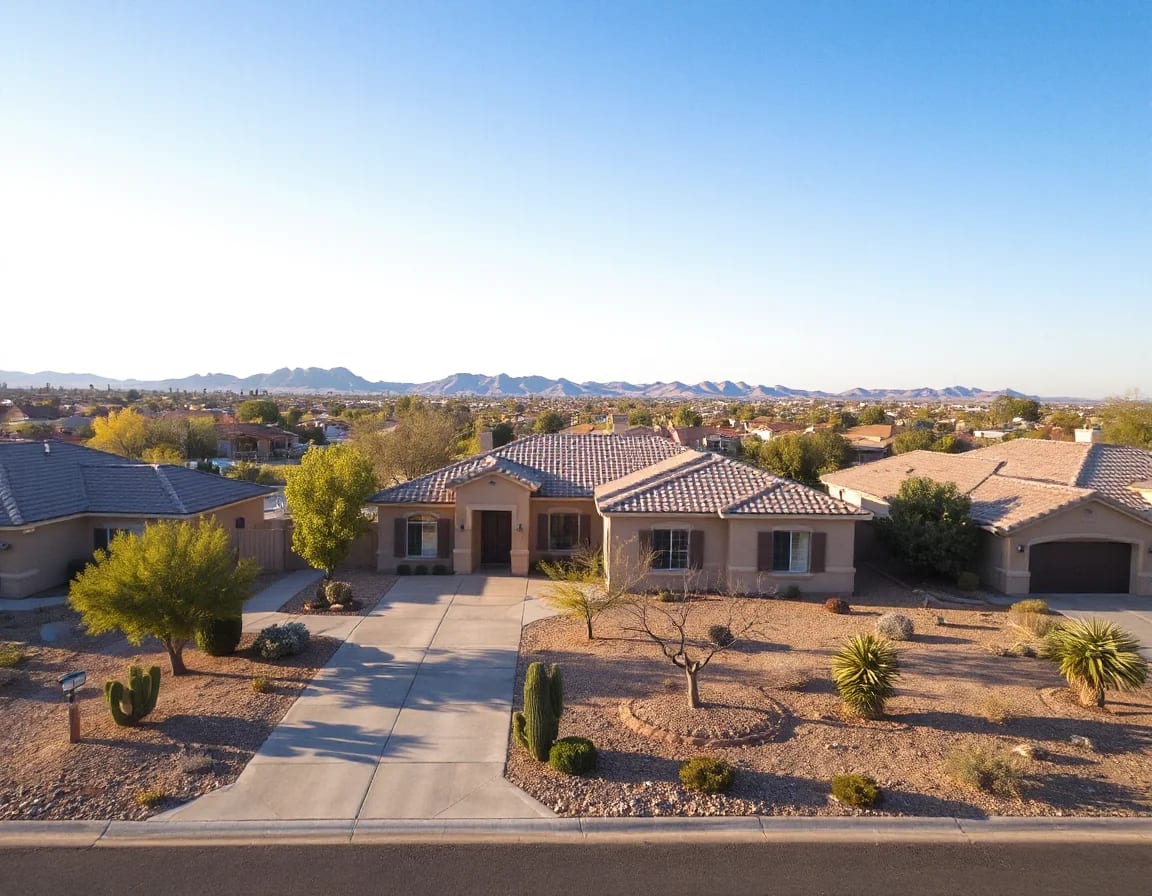
A down payment is only one line in a home-buying budget. In Queen Creek, planning for inspections, lender costs, prepaid items, moving, and the first few weeks of ownership can make the path to closing feel far more predictable. Use this guide to build a practical cash-to-close plan before you start touring homes.
Build the Budget Before the Offer
Buying a first home can be exciting, especially when a property’s layout, yard, or location begins to feel like a real possibility. But the amount saved for a down payment does not tell the whole financial story. Buyers also need funds for services, lender requirements, taxes, insurance, and the ordinary costs of getting settled after closing. Knowing those numbers in advance helps keep decisions focused on the home and terms that work for your budget.
Queen Creek’s housing options can range from newer planned communities to homes with larger lots, which means the details behind a purchase may vary from one listing to the next. A property with an HOA, a pool, a larger yard, or specialized systems can have different upfront and ongoing costs than a simpler home. The goal is not to eliminate every surprise; it is to leave enough room in your plan to respond calmly when a real expense appears.
Before writing an offer, ask a lender for a detailed loan estimate and discuss how much cash may be needed beyond the down payment. Then review each home with the same checklist: anticipated closing costs, any earnest money, inspection needs, possible repairs, insurance, taxes, and move-in expenses. That comparison can be just as useful as comparing bedrooms, square footage, and monthly payments.
A strong first-time buyer budget includes both cash needed to close and a separate reserve for the first month or two of ownership.
1. Earnest Money Deposit
Earnest money is the deposit typically submitted after an offer is accepted. It shows good-faith intent to move forward under the terms of the contract and is usually held by the title company. If the purchase closes, it is generally credited toward the buyer’s funds due at closing, so it is not necessarily an extra cost. Still, it is money that must be available early in the process.
The amount is negotiated and can vary with the price point, competition, and contract terms. Buyers should understand the contingency deadlines tied to that deposit. Missing a deadline or cancelling outside the protections in the contract can put earnest money at risk, which is why a clear calendar and careful communication matter from day one.
2. Home Inspection and Specialized Evaluations
A general home inspection is a common early expense and gives buyers an opportunity to learn about the property’s visible condition. It may identify maintenance items, aging components, drainage concerns, roof observations, electrical issues, or systems that deserve a closer look. Inspection fees are typically paid before closing and are usually not rolled into the mortgage.
Depending on the home, buyers may also choose specialized evaluations for a pool, sewer line, HVAC system, roof, pest concerns, or other features. In Arizona’s desert climate, it can be particularly useful to understand the condition and remaining service life of cooling equipment. A thorough review helps a buyer decide whether to proceed, request repairs or credits when appropriate, or adjust future maintenance plans.
3. Appraisal Costs
If financing is involved, the lender commonly orders an appraisal to assess the property’s value for lending purposes. The buyer often pays this fee, either before closing or as part of the closing costs, depending on the lender’s process. An appraisal is not the same as an inspection: it is designed for the lender’s valuation review rather than a detailed condition report for the buyer.
If the appraised value comes in below the agreed purchase price, the parties may need to revisit the terms. Options can include renegotiating the price, changing the financing structure, bringing additional funds if appropriate, or using contract protections to reconsider the purchase. Asking about appraisal timing early can help you plan your cash flow and decision deadlines.
Costs That Appear Closer to Closing
Several expenses become more visible once the lender, title company, insurance provider, and local tax information are pulled together. These numbers can feel technical, but they are simply parts of the final settlement statement. Reviewing an updated estimate before closing gives buyers time to ask questions rather than trying to absorb every figure at the signing appointment.

4. Lender, Title, and Recording Fees
Closing costs often include lender charges, title services, settlement fees, government recording fees, and other transaction-specific items. The total depends on the loan program, purchase price, lender, title company, and negotiated contract terms. Some costs may be paid by the buyer, while others may be paid by the seller or covered through a negotiated seller concession, subject to loan guidelines.
Request a comparison of loan estimates if you are considering more than one lender. Look beyond the interest rate and ask how lender fees, points, credits, and estimated cash to close work together. A slightly different rate structure may change both your monthly payment and the amount you need at closing.
5. Prepaid Property Taxes, Insurance, and Escrow Funding
Many mortgages require homeowners insurance to be in place before closing. Buyers may need to pay the first year’s premium upfront, and lenders may also collect initial deposits for an escrow account. That account is commonly used to help pay future property taxes and insurance bills as they come due.
Property tax timing and insurance premiums can affect the final amount due, so this category is worth discussing with your lender and insurance provider well before closing week. For a home with a pool, detached structure, or other distinctive features, insurance options and premiums may differ from one property to another.
Your lender’s cash-to-close figure can change as taxes, insurance, credits, and closing dates are finalized—review the latest estimate rather than relying on an early worksheet.
6. HOA Transfer Fees and Initial Community Charges
Some Queen Creek properties are part of homeowners associations. If a home has an HOA, buyers may see transfer fees, document fees, prorated dues, capital contributions, or other association-related charges. The specific amount and responsibility for each item should be confirmed through the contract, title process, and HOA documents.
Beyond the one-time charges, review the regular HOA dues, rules, reserve information when available, and any known assessments. This is not just paperwork: it is part of understanding the monthly and long-term cost of owning that particular property. Include the dues in your household budget alongside the mortgage payment, taxes, insurance, utilities, and maintenance.
7. Moving, Utilities, Furnishings, and Early Maintenance
After the keys are in hand, the spending does not stop. Movers or rental equipment, utility deposits, internet installation, window coverings, appliances, locks, cleaning supplies, and basic tools can add up quickly. Even a move that feels simple may require several small purchases in the first few weeks.
It is also wise to set aside funds for immediate maintenance. That could mean servicing an HVAC unit, adjusting irrigation, replacing filters, addressing a minor inspection item, or buying materials for a small repair. A home does not need to be remodeled on day one; prioritizing health, function, and routine care can help expenses stay manageable.
Turn Estimates Into a Comfortable Plan
A useful approach is to create three separate buckets: your down payment, your estimated closing costs, and your post-closing reserve. Keep the reserve separate from the amount required to close whenever possible. That way, a necessary repair or move-in purchase does not create pressure after the transaction is complete.
Premier Edge Realty and Emily Laufer can help buyers organize questions around a specific Queen Creek property, coordinate the timeline with lenders and inspectors, and keep the process moving with clarity. A well-prepared budget gives you more confidence to evaluate homes on their full cost of ownership—not just the list price or the initial down payment.