

Phoenix buyers tend to notice the details that signal whether a home has been cared for through intense sun, dust, heat, and seasonal storms. A focused pre-listing plan can improve first impressions, reduce distraction during showings, and help buyers evaluate your home’s strengths with confidence. Start with the eight repairs and refreshes that are most visible from the curb to the backyard.
Start With the Conditions Buyers Can See and Feel
Preparing a Phoenix home for sale is not about turning every room into a construction project. It is about making the property feel maintained, functional, and ready for the next owner. Buyers often arrive with a practical checklist already in mind: Does the cooling system seem dependable? Is the exterior holding up to the sun? Does the yard look manageable? Are there signs of deferred maintenance?
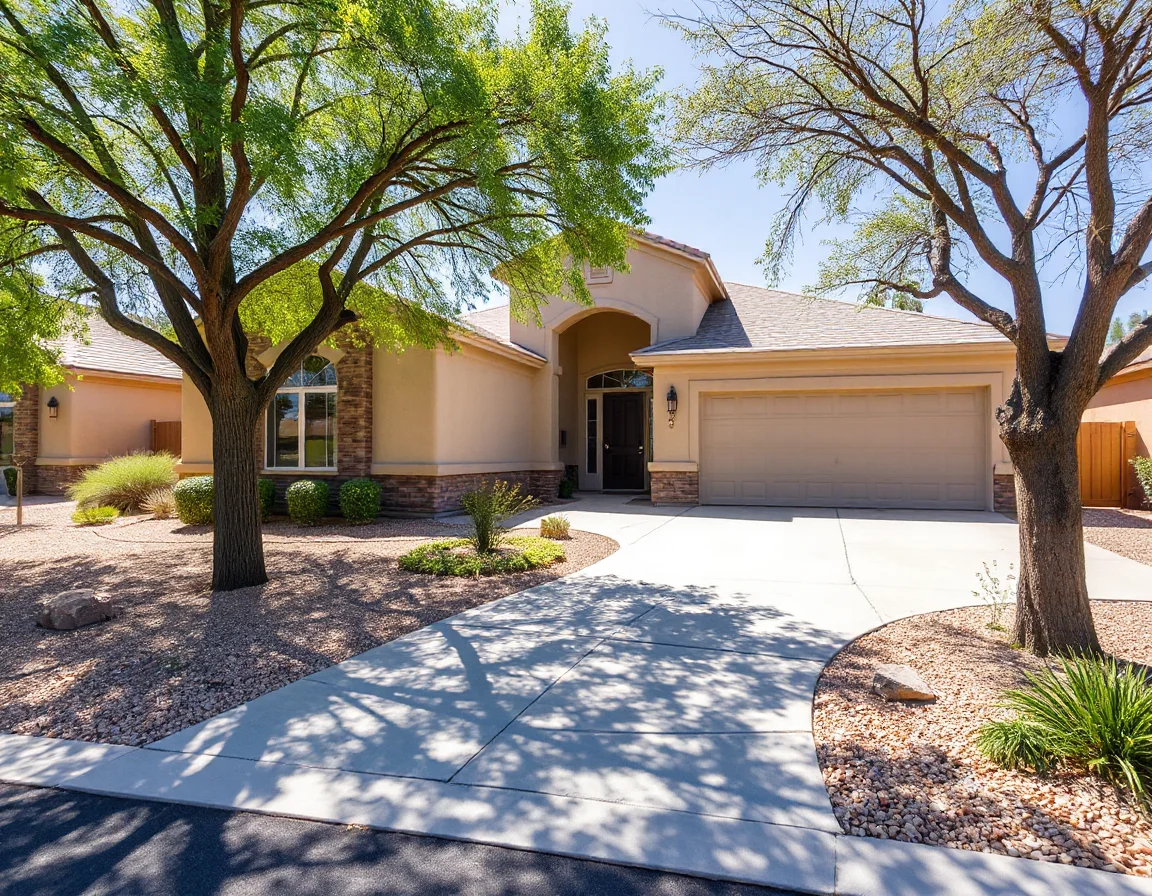
That does not mean every item needs replacement before listing. A clear inspection of what is visible, what operates daily, and what may become a question during a showing helps you prioritize your budget. In the Valley, heat exposure can make small issues look larger: faded trim, brittle caulk, dusty vents, tired weatherstripping, and neglected irrigation parts all stand out quickly.
Think in terms of confidence, not perfection. A buyer may expect an existing home to show normal wear, but they should not have to wonder whether routine care has been overlooked. Addressing obvious items before photography and showings lets the home’s layout, light, storage, and outdoor space carry the conversation.
In Phoenix, a clean, cool-feeling first walkthrough can matter as much as a dramatic cosmetic update. Temperature, shade, and basic maintenance are part of the showing experience.
The Desert-Ready Checklist: Eight Fixes to Prioritize
1. Refresh the front approach. Buyers form an impression before the front door opens. Sweep the entry, clear cobwebs from light fixtures, remove dead plant material, and replace visibly worn house numbers or a damaged welcome mat. Check the condition of the door, threshold, lockset, doorbell, and porch light. A freshly painted front door can be useful when the existing finish is sun-faded, but a thorough cleaning and touch-up may be all that is needed.
2. Inspect exterior caulk, paint, and trim. Arizona sun can be hard on painted surfaces and sealants. Walk around the home and look closely at window trim, fascia, siding accents, exterior doors, and joints where stucco meets fixtures or trim. Repair cracked caulk, scrape peeling paint, and touch up obvious areas with matching paint. These small repairs communicate care without requiring a complete exterior repaint.
3. Make cooling systems presentation-ready. A home’s air-conditioning system is often one of the first practical questions buyers ask in a warm climate. Arrange routine service if it is due, replace filters, clear dust from registers, and make sure the thermostat is working properly. Keep any available maintenance records organized for your listing conversation. If the system has a known issue, discuss the best approach with your real estate professional rather than hoping it goes unnoticed.
4. Check windows, screens, and weatherstripping. Clean glass changes the feel of every room, especially where sunlight is a major feature. Repair torn screens, clean tracks, and replace brittle or missing weatherstripping around exterior doors. Test sliding doors and windows so they open and close smoothly. These are modest jobs, yet they help buyers experience the home as comfortable and cared for.
5. Eliminate small water and plumbing distractions. A dripping faucet, slow drain, loose toilet handle, or stained grout line can pull attention away from an otherwise appealing bathroom or kitchen. Fix minor leaks, recaulk around tubs and sinks where needed, and make sure shutoff valves and fixtures appear clean. Water-related concerns can prompt buyers to start looking for larger problems, so resolving simple items early is worthwhile.
Let the Outdoor Space Show Its Value
6. Tune up the irrigation and landscape. Desert landscaping can look polished without requiring a lush lawn. Remove weeds, rake gravel or decomposed granite into an even surface, trim overgrown shrubs away from walkways, and replace dead plants where practical. Run each irrigation zone and look for broken emitters, overspray, pooling water, or visibly damaged lines. If the property has a pool, water feature, or outdoor lighting, confirm that each feature is clean and operating as intended.
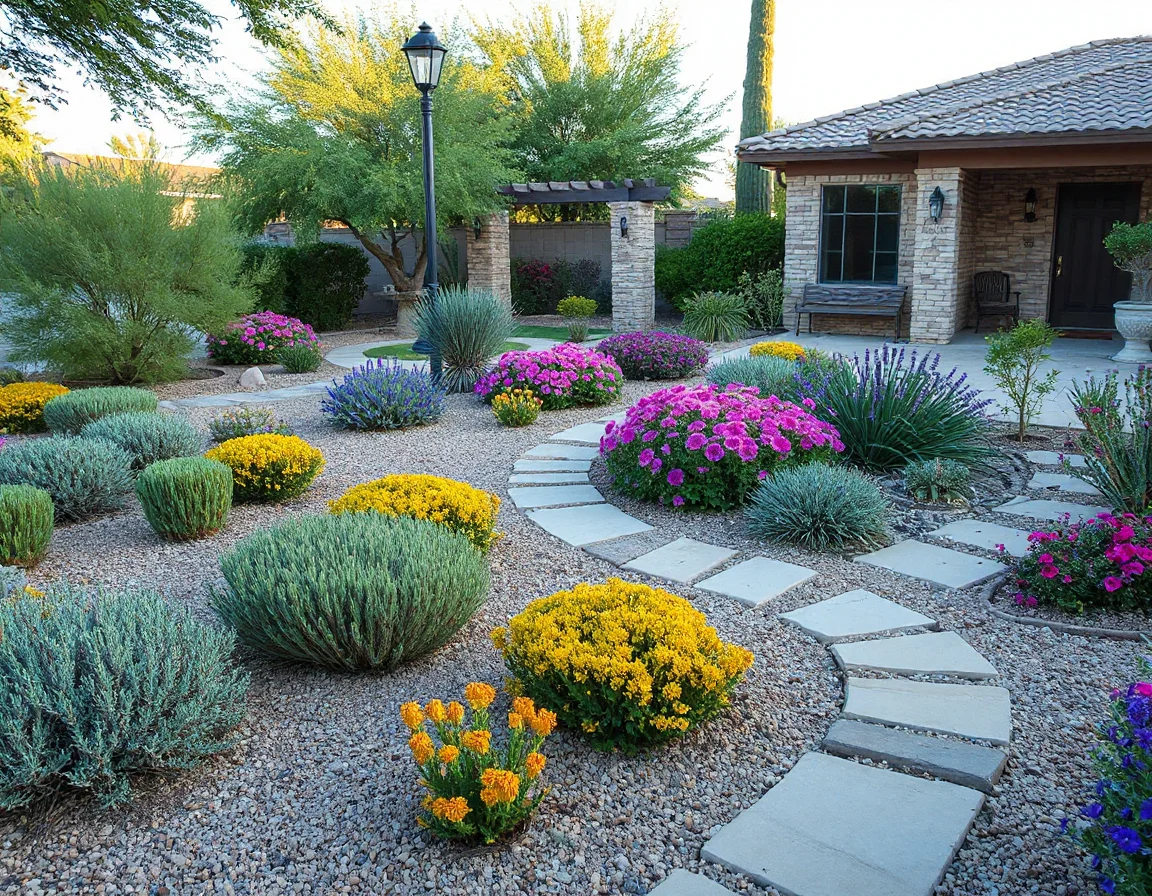
7. Create usable shade and patio appeal. Outdoor living areas are easier to appreciate when they are tidy and purposeful. Pressure-wash or sweep the patio, wipe down outdoor furniture, remove damaged pots, and check for loose pavers or cracked surfaces. Clean ceiling fans, inspect shade structures for visible wear, and make sure exterior lights work. If you have a covered patio, ramada, or pergola, stage it simply so buyers can understand how the space can be used across the year.
8. Clear the garage and storage zones. Storage is a major part of how buyers assess a home’s day-to-day functionality. In the garage, remove unused paint cans, broken equipment, and items that make the floor or walls difficult to see. Sweep thoroughly, replace burned-out bulbs, and test the garage door opener. Inside, reduce crowded closets and cabinets so their actual capacity is visible. The goal is not to erase personality; it is to make the home’s storage easier to evaluate.
A tidy garage, functioning irrigation, and a clean patio can make the outdoor and utility areas feel like assets rather than future weekend projects.
As you work through these items, keep receipts, service dates, warranties, and manuals in one place. Buyers may not need every document during a showing, but organized records can support a smoother transaction once questions arise. They also give your agent useful details to incorporate into the home’s marketing and buyer follow-up.
Finish With a Showing-Day Reset
After repairs are complete, the final preparation is mostly about consistency. Deep-clean high-touch surfaces, wipe down ceiling fans and blinds, vacuum or mop flooring, and neutralize lingering odors rather than covering them with heavy fragrance. Open window coverings before a showing to bring in natural light, but make sure rooms do not become uncomfortably warm. Keep the thermostat at a reasonable setting so visitors can focus on the space rather than the temperature.
Photography deserves the same attention. Remove personal paperwork, countertop clutter, pet supplies, laundry piles, and excess cords. A few carefully chosen accessories can make a room feel finished, while too many items can make it appear smaller. In kitchens and bathrooms, clean lines are especially valuable: clear counters, fresh towels, and polished fixtures show well in both listing photos and in-person visits.
Not every seller needs the same list. A newer home may need only a detailed clean and landscape refresh, while an older property may benefit from targeted repairs before it reaches the market. Emily Laufer and the Desert Collective Team can help sellers sort high-impact preparation from projects that may not add meaningful value, keeping the process focused and manageable.
When the visible details are handled, buyers can spend more time noticing the features that made you choose the home in the first place. A desert-ready presentation signals preparation, supports a stronger first impression, and helps your Phoenix property enter the market with a clear, cared-for story.