

Buying a first home in Queen Creek is easier to navigate when the big decisions are broken into a clear sequence: budget, lending, home search, offer, inspections, and closing. This guide explains what each step looks like in practical terms so you can move forward with fewer surprises and more confidence.
Start With the Numbers Before the Search
The most useful first step is not opening a listing app—it is defining a monthly payment and cash-to-close range that fits comfortably with your overall financial picture. A home payment can include principal, interest, property taxes, homeowners insurance, and, depending on the loan and property, mortgage insurance or association fees. Looking at the complete monthly cost early helps narrow the search to homes that support your goals rather than stretching your budget.
A lender pre-approval is the next practical milestone. It gives you an estimate of the loan amount and loan programs available based on documentation such as income, assets, credit history, and debts. Pre-approval is not the same as final loan approval, but it gives your home search a reliable framework and demonstrates that you are prepared when it is time to submit an offer.
As you review your savings, plan for more than the down payment. Buyers may have costs for inspections, appraisal, lender fees, title services, prepaid items, moving, and immediate updates after closing. Seller concessions, loan programs, and negotiated contract terms can sometimes affect the amount needed at closing, but each transaction is different. Your lender and real estate professional can help you estimate the likely range before you begin touring homes.
A clear price range is more valuable than a maximum approval amount. Leave room for ownership costs, routine maintenance, and the flexibility to respond when the right property appears.
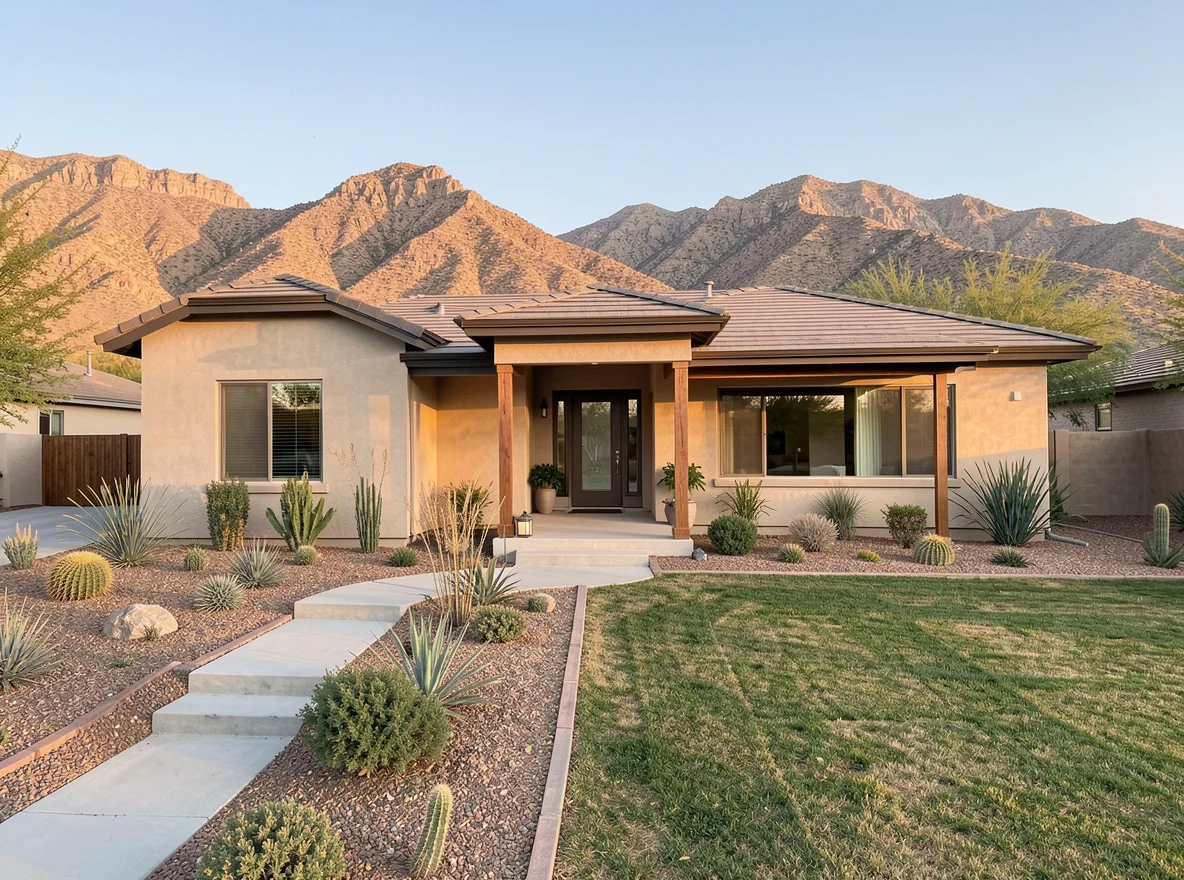
Queen Creek’s housing options can include newer planned communities, homes on larger lots, townhomes, and properties with features such as RV gates, pools, workshops, or open desert views. Each type of property carries its own maintenance and cost considerations. A larger lot may offer more outdoor space, while a community with an HOA may have monthly dues and specific guidelines. Comparing the full ownership picture—not simply bedroom count or list price—makes the search more focused.
Learn about buyer representation in Arizona
Turn Your Wish List Into a Practical Home Search
Once financing is underway, organize your priorities into “must have,” “strong preference,” and “nice to have” categories. Consider floor plan, parking, outdoor space, condition, commute routes, proximity to everyday services, and the amount of renovation you are comfortable taking on. This approach keeps decisions grounded when a home has an appealing feature but misses a nonnegotiable need.

Touring homes is where online impressions become real-world information. Pay attention to the layout, storage, natural light, lot orientation, street access, visible upkeep, and condition of major systems. It can be helpful to take notes immediately after each showing; details can blend together after viewing several properties in one day. If a home is part of an association, request and review the relevant documents, fees, rules, and any available information about planned assessments before removing applicable contingencies.
Location research deserves the same care as the home itself. Review routes you expect to use, nearby parks and public amenities, utility providers, zoning context, and current or proposed development that may be publicly available. If schools are part of your decision-making process, consult official district sources directly for current boundaries, enrollment information, and program details rather than relying on informal descriptions.
In Queen Creek, the surrounding landscape and climate also make property features worth examining closely. Shade structures, irrigation systems, roof condition, window coverings, pool equipment, landscaping, and outdoor surfaces can all affect upkeep and comfort. During a showing, ask what is included with the sale and what has been recently repaired or replaced. A thoughtful question now can prevent a vague assumption later.
The best showing notes describe facts you can compare: lot dimensions, HOA dues, roof age, storage, visible condition, and estimated travel routes—not just whether a room felt appealing in the moment.
Making an Offer and Managing the Contract Timeline
When you find a property that matches your priorities, the offer is more than a proposed price. It can include earnest money, financing terms, inspection and appraisal contingencies, requested seller concessions, included personal property, and the proposed closing date. Market conditions, comparable sales, property condition, and the seller’s timing can all influence the strategy. A well-prepared offer is tailored to the specific home and supported by the information available at that time.
After acceptance, the due-diligence period begins. This is when buyers commonly arrange a professional home inspection and complete other evaluations that may be appropriate for the property, such as pest, pool, roof, sewer, or HVAC reviews. An inspection is not a pass-or-fail test; it is an opportunity to understand the property’s condition and prioritize potential repairs, maintenance, or further specialist evaluation.
The appraisal is a separate step ordered by the lender for most financed purchases. The appraiser evaluates the property in the context of the loan and available market data. If an appraisal comes in below the contract price, the parties may renegotiate, the buyer may bring additional funds if permitted and desired, or other contract options may apply. Reviewing the contract deadlines and maintaining communication with your lender and agent helps keep each stage on track.
From Final Walk-Through to Moving Day
As closing approaches, your lender will finalize underwriting and provide closing disclosures that outline loan terms and costs. Review these documents carefully, ask questions about anything unclear, and avoid significant changes to your financial profile—such as opening new credit accounts or making large undocumented deposits—until the loan has funded. Before closing, buyers typically complete a final walk-through to confirm that the property is in the agreed condition and that included items remain in place.
First-time home buying is not about knowing every answer before you start. It is about having a dependable process, asking informed questions, and giving each decision the attention it deserves. With preparation and local guidance, you can evaluate Queen Creek homes with a clearer understanding of both the opportunity and the responsibilities that come with ownership.