
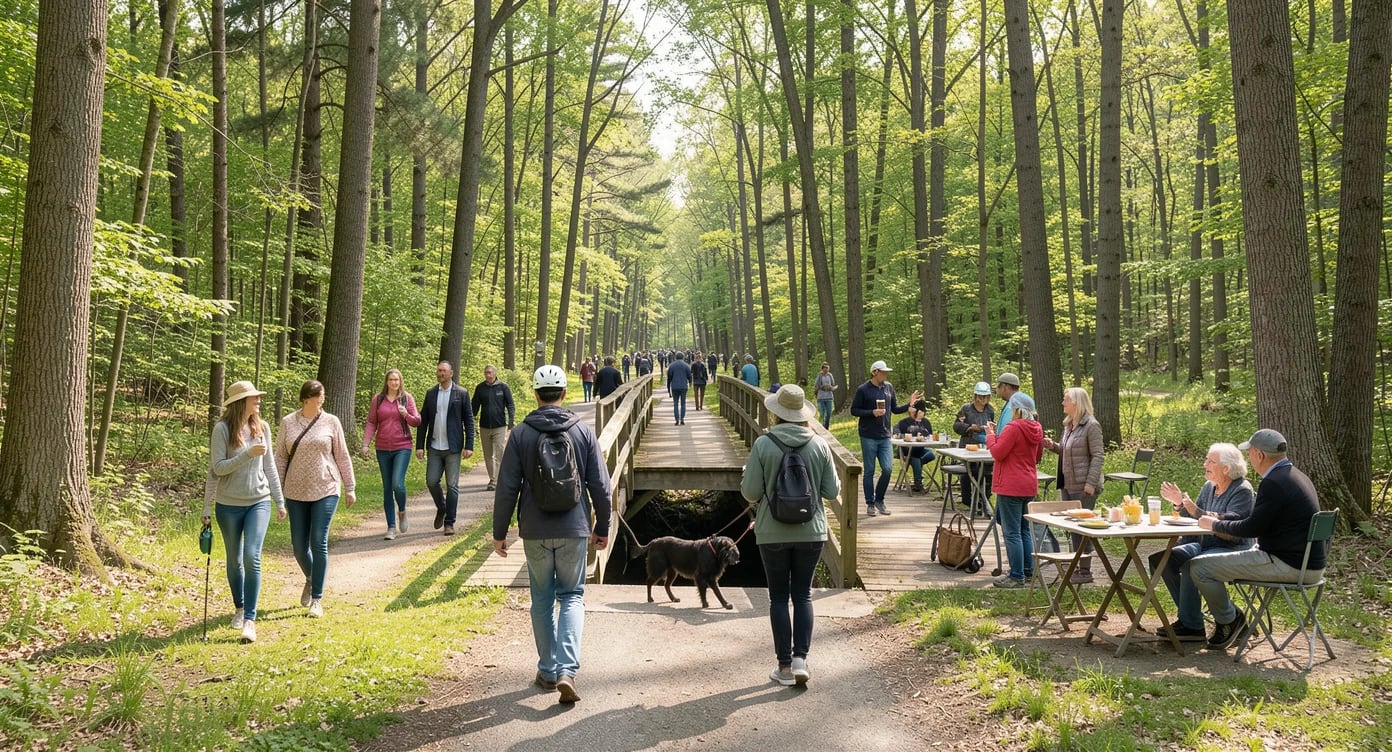
Downtown Chandler brings historic buildings, dining, public gathering spaces, and cultural venues together in one part of the East Valley. Explore what’s nearby, how to compare transportation options, and which details to check when buying or selling a home in the area.
A Closer Look at Downtown Chandler
At the heart of Chandler, a visit can move easily from a morning walk through a public park to lunch and an evening performance. The downtown area offers a useful starting point for exploring the city: its historic core is compact enough to experience on foot, while the surrounding residential areas provide a wider range of home styles and settings.
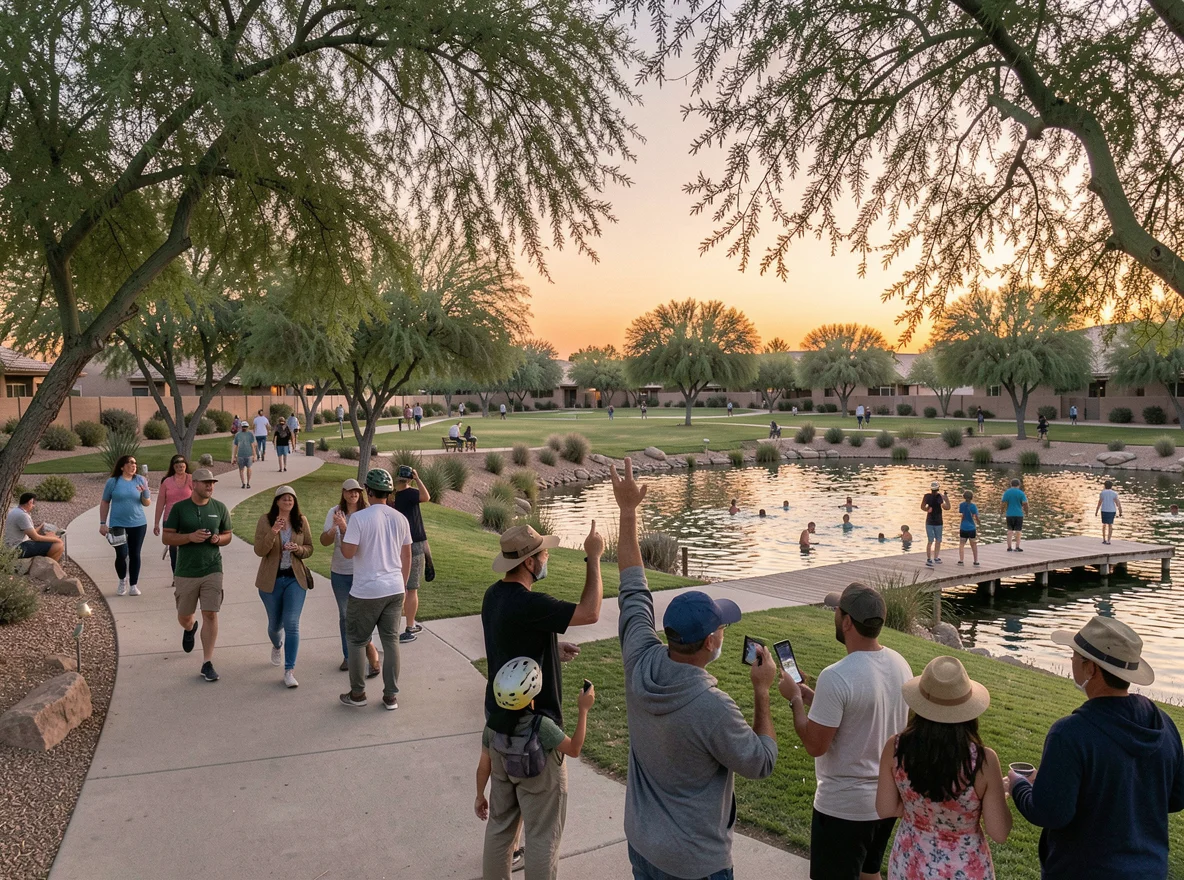
The city’s roots reach back to Dr. A. J. Chandler, who established the town in 1912. The historic San Marcos Hotel, opened in 1913, remains a recognizable part of the downtown landscape. That early history sits alongside newer gathering places and businesses, giving the area a mix of preserved character and contemporary activity.
Dr. A. J. Chandler Park is a central landmark and a place to pause between destinations. The park and surrounding blocks host community events throughout the year, though schedules and programming change. Check the city’s event calendar before a visit if you want to see what is happening during a particular weekend.
For a broader look at recreation, Tumbleweed Park is south of downtown and offers additional outdoor space and amenities. It is a separate destination rather than an extension of the downtown core, so consider the drive when planning an outing. Exploring both can give you a better sense of how Chandler’s public spaces vary from one part of the city to another.
Downtown’s central park is a useful reference point when comparing addresses, but a home’s actual walking route and distance may differ considerably from what a map first suggests.
Dining, Culture, and Everyday Stops
Downtown Chandler’s dining options range from casual meals and coffee to restaurants for a longer evening out. Many are clustered around the central business district, making it practical to combine a meal with an event or a stroll. Hours and offerings can change, so it is worth checking individual businesses before making plans.
The Chandler Center for the Arts adds another dimension to the area, with performances and other programming throughout the year. The downtown public library is another resource to explore, whether you are looking for books, events, or a place to spend time indoors. Together, these destinations provide a picture of the area beyond its residential streets.
Visit at Different Times
A weekday morning can feel different from an event night or a weekend afternoon. If you are researching a home, visit at more than one time of day to observe traffic, parking, activity around nearby destinations, and the route you would take to places you use regularly. In warmer months, consider the availability of shade and the time of day you plan to walk.
Downtown is only one part of Chandler’s dining and shopping landscape. Other commercial areas are spread throughout the city, and a convenient choice depends on the address and the destinations that matter to you. Rather than assuming every errand will be walkable, map a few typical trips from each home you are considering.
Homes Around the Historic Core
Residential options around downtown and elsewhere in Chandler can differ in age, architecture, lot size, and community amenities. A search may include older homes, updated properties, townhomes, or more recently built residences, depending on what is available. Looking beyond photographs helps reveal how a home’s layout and location work together.
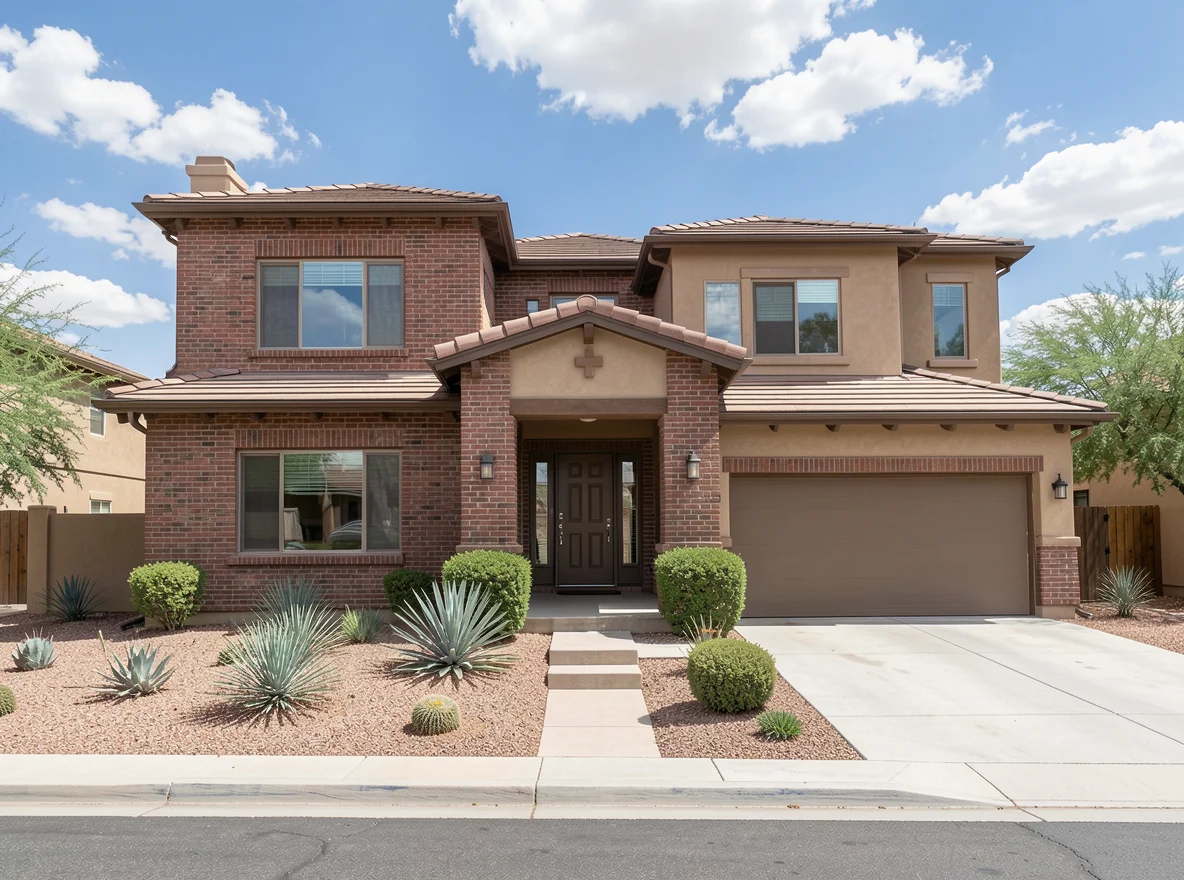
Start with the features you can evaluate in person: parking, outdoor space, storage, window exposure, and the condition of major systems. In the Arizona climate, ask about the age and maintenance of the cooling system and review available utility information when possible. An inspection can help identify questions that listing photos cannot answer.
If a property belongs to a homeowners association, review the governing documents, fees, and rules before making a decision. For a townhome or other attached property, also ask what the association maintains and what remains the owner’s responsibility. These details can affect both monthly costs and future plans for the property.
Buyers who want to compare schools should verify the assigned district and attendance boundaries for each address directly with the relevant district. Boundaries and enrollment policies can change, and a Chandler mailing address alone does not establish a particular school assignment. The same address-by-address approach is useful for transit access and municipal services.
Compare the full cost of a home—not just its list price—including association fees, insurance, utilities, and anticipated maintenance.
Getting Around from Chandler
Driving is an important part of getting around much of the East Valley. Loop 101 runs along Chandler’s western side, and Loop 202 serves parts of the city, providing connections to other regional routes. Access varies by location, so test the route from a specific property rather than relying on the city name alone.
Valley Metro bus service offers another transportation option in the area. Routes, stops, and frequency can change, so check current schedules and map the walk to the nearest stop. For a regular trip, compare the entire journey—including transfers and the time needed to reach the stop—with the route you would take by car.
Walking and cycling can be useful for shorter trips, particularly around destinations with connected sidewalks and crossings. Conditions vary by street, and summer heat can make timing and shade important considerations. Visit the route yourself to see how it feels and whether it connects to the places you plan to go.
Putting Local Research to Work
For buyers, the most useful comparison often combines the home itself with the trips and expenses surrounding it. Review current listings, tour properties in different parts of Chandler, and ask for recent comparable sales when evaluating an offer. Availability and pricing change, so a current, property-specific review is more useful than assuming that the whole city moves as one market.
Sellers can take a similarly detailed approach. Recent comparable sales, property condition, presentation, and the competition from active listings can all inform a pricing and marketing plan. When describing a home’s location, use verifiable details—such as proximity to a park or an approximate route to downtown—rather than promising a particular lifestyle or travel time.
Whether your next step is a neighborhood visit or a home search, take time to experience downtown and compare it with other Chandler locations. Emily Laufer of Premier Edge Realty can help you review the details of a property and make sense of current options in the local market.