

The down payment is only one part of the cash you may need to buy a home in Gilbert. Lender charges, title and escrow fees, insurance, inspections, and prepaid expenses can all affect your budget. Knowing when those costs come due—and which amounts may be credited at closing—can help you plan with fewer surprises.
Start with a working estimate
A useful starting point is to budget roughly 2% to 5% of the purchase price for closing costs and related prepaid expenses, separate from your down payment. That is a broad planning range, not a quote: your loan, closing date, insurance, negotiated terms, and property can move the actual amount outside it. Ask a lender and escrow provider for estimates tailored to your purchase.
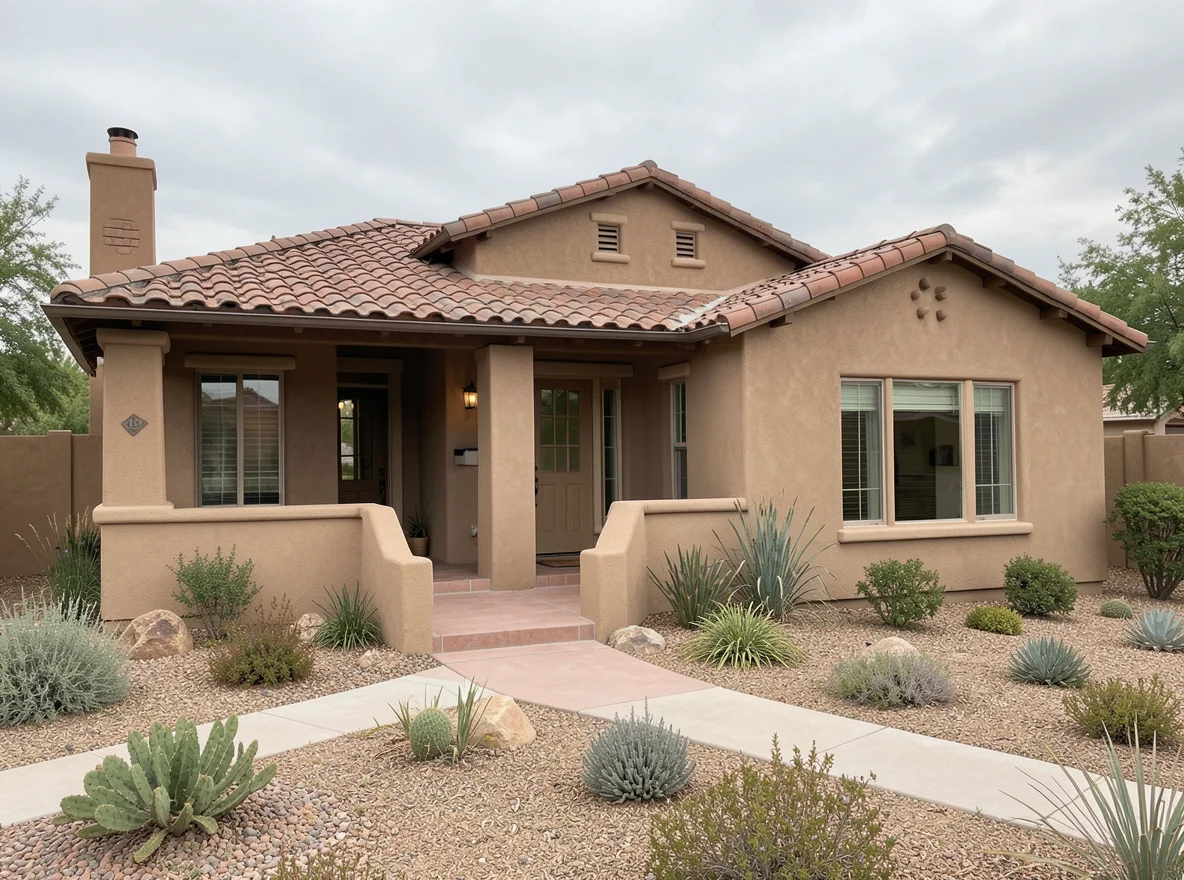
For illustration, a $500,000 purchase at that range would mean setting aside approximately $10,000 to $25,000 for closing costs and prepaids. Your down payment, earnest money, and any inspection expenses paid before closing need their own place in the plan. Some charges may be paid in advance and shown on your final paperwork rather than collected again at closing.
It also helps to think beyond the transaction itself. Moving costs, utility setup, immediate repairs, and furnishings are not generally closing costs, but they can compete for the same savings. Keeping a separate reserve for those expenses gives you a clearer picture of what you can comfortably bring to the purchase.
On a $500,000 purchase, the difference between a 2% and a 5% estimate is $15,000. A property-specific quote is much more useful than relying on a percentage alone.
As you compare homes, consider features that can affect future expenses as well as the purchase price. A pool, an older HVAC system, or a homeowners association may change your ongoing budget. Those details do not determine your closing costs by themselves, but they are worth discussing before you make an offer.
Understand the charges on your loan estimate
If you are financing the purchase, your lender’s Loan Estimate is a starting point for comparing costs. For most mortgages, a lender must provide it within three business days after receiving the information needed for a complete application. Review the interest rate, monthly payment, estimated cash to close, and itemized fees together rather than focusing on the rate alone.
Common lender-related charges can include origination fees, underwriting or processing charges, credit report fees, and appraisal costs. You may also see discount points: an optional upfront charge that can reduce the interest rate, depending on the loan terms. Ask the lender how much any rate reduction costs and how long it could take for the monthly savings to offset that expense.
Title and escrow services are another part of the picture. These may include fees for handling the transaction, recording documents, and title insurance. Who pays a particular charge depends on the purchase agreement and other transaction terms, so ask your agent and escrow officer to explain the proposed allocation instead of assuming it is fixed.
Questions worth asking lenders
- Which fees are lender charges, and which are paid to outside providers?
- Does the estimate include discount points, and are they optional?
- What insurance and tax amounts are included in the initial estimate?
- Which figures could change, and when will I receive an update?
- Are there limits on credits or assistance for this loan?
When comparing offers, provide each lender with the same purchase price, down payment, loan type, and anticipated closing date. That makes differences easier to spot. A lower quoted rate may come with higher upfront charges, while a lender credit may reduce closing costs in exchange for a higher rate.
Plan for inspections and property-specific expenses
Inspections are often paid during the purchase process, before you reach the closing table. A general home inspection can reveal items that merit a closer look, and additional evaluations may be appropriate depending on the home. Ask providers for current prices and confirm what each inspection covers before scheduling.
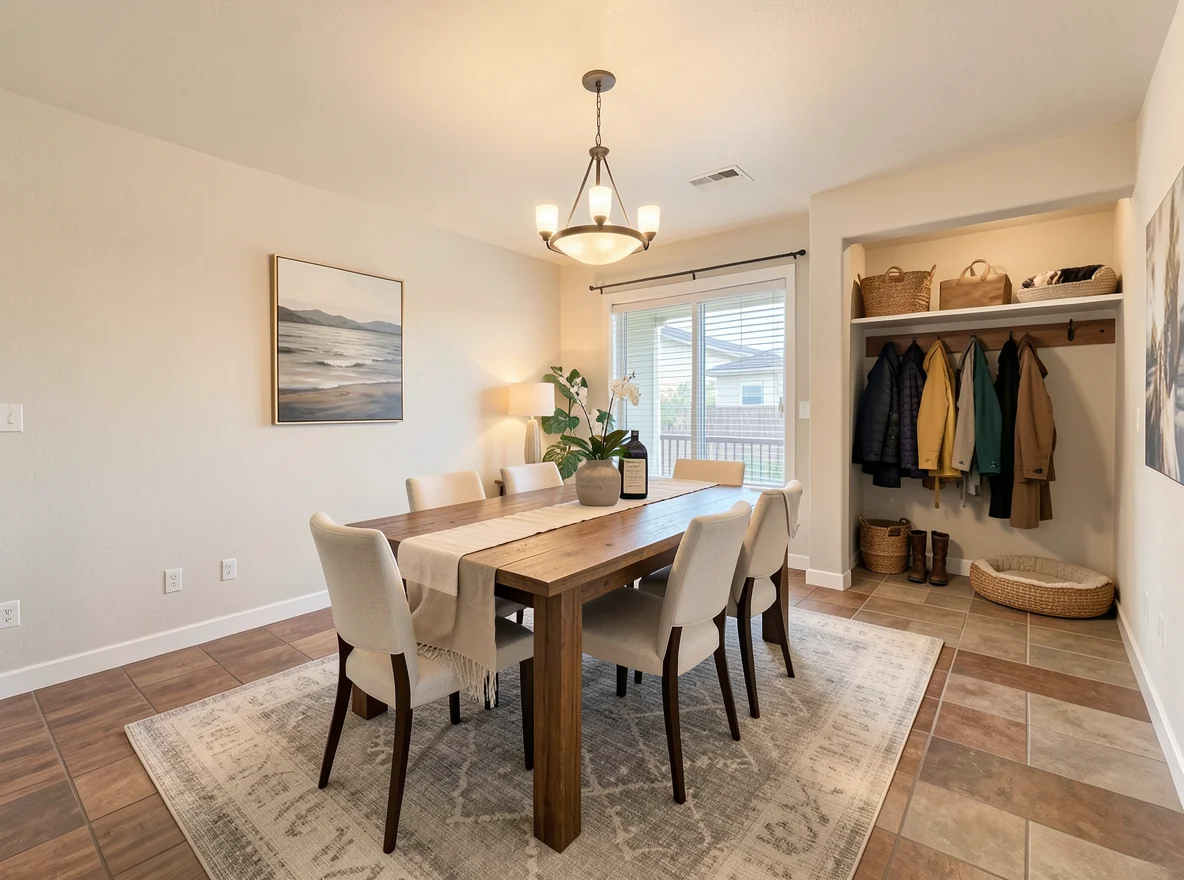
In Gilbert, it can be useful to pay particular attention to the cooling system, roof, and any pool or irrigation equipment when those features are present. A general inspector may recommend a specialist for a closer evaluation. Inspection results can help you assess the home’s condition and discuss possible next steps with your agent, subject to the contract’s deadlines and terms.
If the property has a homeowners association, request its documents and review the regular dues, rules, and any transaction-related charges. Transfer, disclosure, or other association fees can vary by community, and the purchase agreement determines how applicable charges are allocated. Do not assume that monthly dues are the only association expense.
Homeowners insurance deserves an early look, too. Request a quote for the specific property and ask about the deductible, coverage, and payment schedule. If you are using a mortgage, the lender will generally require insurance, and an initial premium or escrow deposit may be collected before or at closing.
Inspection fees may be due even if the purchase does not close. Include them in your upfront budget and confirm cancellation policies when you schedule.
When you are ready to compare properties, look beyond the list price to the features and association details that affect your overall budget. Your agent can help you request available information before you decide how to proceed.
Account for prepaids, credits, and timing
Some amounts collected at closing are not fees for a service. They may include prepaid interest from closing through the end of the month, an initial homeowners insurance premium, and funds deposited into an escrow account for future taxes and insurance. The amounts depend on your loan, closing date, property taxes, and insurance quote.
Property taxes may also be prorated between buyer and seller under the contract. Arizona property taxes are generally paid in arrears, so a credit on the settlement statement can reflect the seller’s share of taxes that will be paid later. Ask the escrow officer to walk you through the calculation and confirm how it affects your cash to close.
Earnest money is typically deposited after an offer is accepted and, when applicable, credited toward the purchase at closing. It is not usually an additional charge on top of the down payment and closing costs. Seller concessions or lender credits may also reduce eligible costs, but they depend on the agreement and loan rules; a credit does not automatically cover every expense.
For a simple illustration, suppose your down payment is $15,000, your closing costs and prepaids total $12,000, and you have a $5,000 earnest money credit plus an allowable $3,000 seller credit. The estimated amount still needed at closing would be $19,000. This example excludes expenses paid separately before closing and assumes the full seller credit can be applied; your final figures will differ.
Review the final numbers before you send funds
For most mortgages, you must receive a Closing Disclosure at least three business days before consummation. Compare it with your most recent Loan Estimate and ask about changes in fees, credits, loan terms, or the amount needed to close. Certain significant changes can require a new waiting period, so raise questions promptly rather than waiting until signing day.
Confirm the accepted payment method and the exact amount with your escrow officer. Wire fraud is a real risk: independently verify wiring instructions using a trusted phone number you already know, and be suspicious of last-minute changes sent by email or text.
Good planning is less about predicting every dollar at the beginning than knowing which questions to ask as the purchase takes shape. Emily Laufer can help you navigate the offer, inspection, and closing process while you work with your lender and escrow provider to refine the numbers.